Table of Content
Washing Logs – We highly recommend you wash the exterior of your log or timber home every Spring. This ensures that dust and mold spores don’t have a chance to embed themselves into the wood. Cabins may be eligible for the same financing as any other home. If you are building a modular cabin, the company you choose may offer financing.
The term turnkey means that the home has been constructed to a move-in state. Turnkey cost does not include the cost for the land or any site improvements such as installation of utilities, landscaping, road building, etc.. Log-look steel siding has other advantages as well that can offset even more costs.
Building A House Cost Estimator
The main difference affecting price is that log cabins tend to be much smaller than traditional homes. The average price of a full scribe log shell tends to be more expensive than a timber frame and post and beam log shells with an average cost of $90 Cad – $130 Cad per square foot. Foot 3-bedroom log home costing between $180,000 Cad and $260,000 Canadian, with another $340 – $405 per sq.ft being spent to completely finish the home. The maintenance type and extent vary depending on the materials, cabin type, climate, and location. All log cabin homeowners should conduct an exterior inspection of their homes at least twice yearly.
Champion offers over 2,000 pre-designed home plans ranging from 400 to 2,400 square feet that are available nationwide. A modular addition costs $65 to $200 per square foot, depending on the materials, size, and extension complexity. An average modular room addition costs between $11,000 and $20,000, or 10 to 15 percent less than site-built additions.
Materials and Labor
Pratt offers 60+ standard floor plans ranging from 1,500 to 3,000 square feet, and provides a 7-year warranty on appliances and structure. Manufactured homes cost $30 to $60 per square foot compared to modular home construction at $50 to $100 per square foot. Modular homes are customizable and typically placed on a permanent foundation. Manufactured homes are built to HUD standard, but mounted on a steel frame. Prefab house kits cost $30 to $150 per square foot on average, depending on the size, number of bedrooms, quality, and if assembly is included.
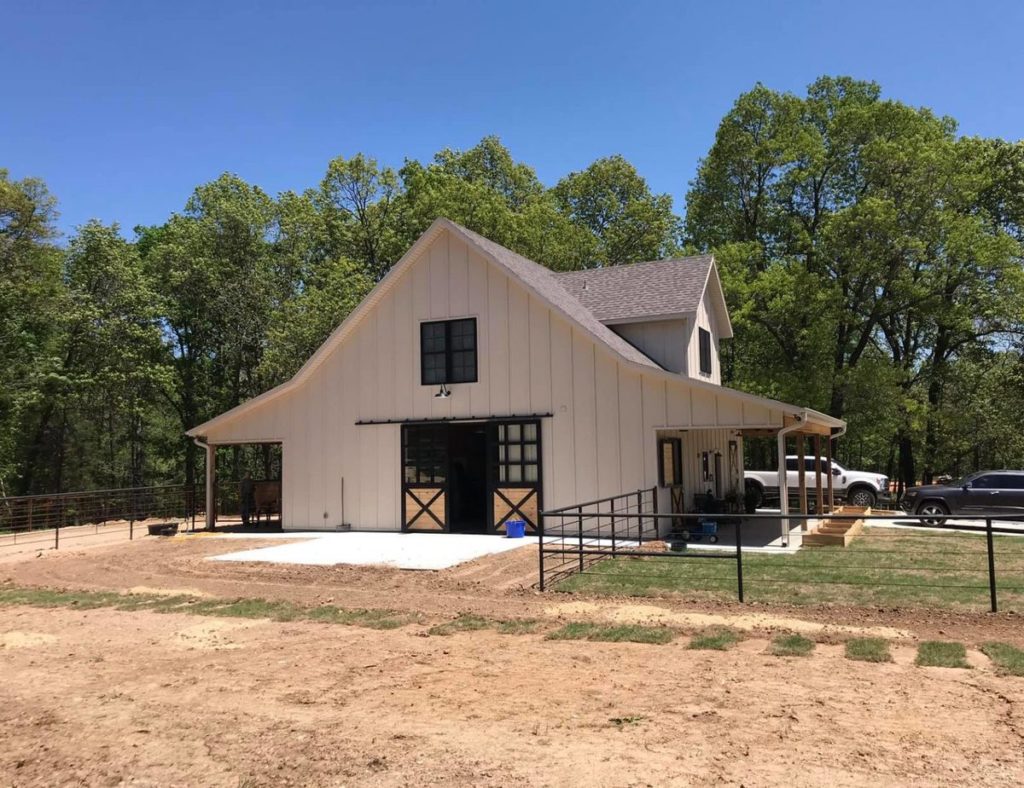
Framers usually complete the sheathing, subfloor installation and metal work and may include windows and doors. You will likely spend a large chunk of the overall project budget on purchasing land and preparing the lot. Depending on size, location and other factors, HomeAdvisor indicates a lot may cost anywhere between $3,000 and $150,000.
DIY Log Cabin Kit Cost
Please note that the homeowner dictates all of these areas, which affect the budget and overall value of the home. These are two extreme examples and there could be variations anywhere in between. Modular homes last for as many years or longer than regular stick-built homes. Modular homes use higher-quality materials and construction, which means lower maintenance costs. Plus, their safer, undergo inspections to ensure quality control, and look the same as traditionally constructed homes. Banks tend to offer fewer financing options compared to site-built homes.
Always resist the temptation to use the low number (i.e. $100/SF from a range of $100/SF to $150/SF) as it will generally lead you to set unrealistic expectations. Working directly with local reputable builders is your best bet for securing realistic cost estimates to determine affordability. Building a scribe log cabin ranges from $300,000 to $900,000 for a modular kit. The cost using traditional construction is $400,000 to $1,200,000. A scribe cabin is a home built entirely out of logs without using a timber frame.
The cost of a septic system, including a leach field, tank, and piping, ranges from $10,000–$25,000. You will also need to consider the land you are building the house on. Like the neighborhood and neighbors as well as the condition of the land. 6- Decks are expensive to build, so make sure you will need the deck space you design for the home.
But while the idea of building a log cabin with your own hands definitely has a certain appeal, it may not always be the best option. Building a cabin from scratch is a monumental effort and may take much longer to do yourself than it would take a professional. Mistakes made while building a cabin can also cost you in repairs and upkeep over time. If you are unable to provide cash funds for your project, there are financing options. Because the home is not yet built, you would not be eligible for a traditional mortgage and will need to pursue a construction loan.
If you are going to do most of the design work yourself, you can find a vast range of examples online that you can use to inspire and guide your design efforts. Alternatively, you can purchase plans that fit with your overall plans regarding total size and number of bedrooms and bathrooms. Manufactured Homes – can look like both modular or traditional site-built homes. A major difference with manufactured homes is that they are built to HUD code in a climate-controlled environment.
For some prospective buyers, the cost difference can initially feel like a dealbreaker. For others, it may be a worthy expense to build a brand-new home to their personal specifications. Department of Housing and Urban Development reported a median sales price of $377,700 for new single-family homes.
Modular homes use 15 to 20 percent more wood and undergo strict inspection and testing before delivery. That makes them stronger and safer than traditionally built homes. Modular homes are typically built on a basement or pier-and-beam foundation with a crawl space. The modular home's weight causes cracking and settling on slabs, which leads to significant long-term damage. Building a modular home is 30% faster than a site-built house and takes 2 to 6 months for the construction, delivery, and assembly.

This price does not include the cost for land or a septic system and water and electrical lines for new construction—if you are building in a rural area. The main difference is that you'll be getting a brand new home instead of one that may be 20 to 60 years old. Tiny homes are generally considered dwellings of less than 500 square feet.




No comments:
Post a Comment